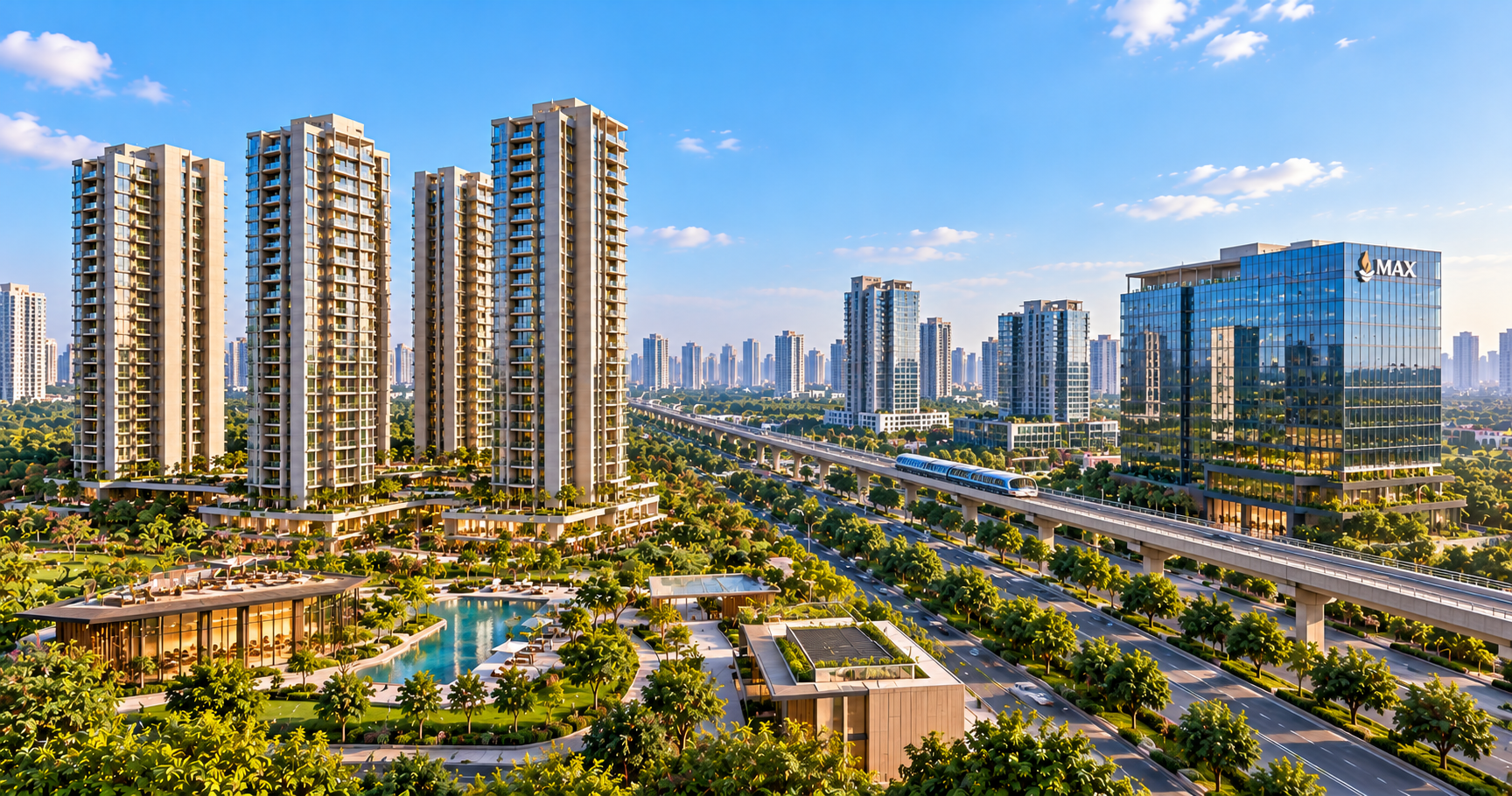

For Non-Resident Indians (NRIs), investing in Indian real estate is driven by two primary factors: emotional connection to the homeland and the pursuit of high-yield financial returns. While Mumbai and Bangalore have traditionally dominated the NRI radar, the National Capital Region (NCR) has aggressively emerged as the most lucrative, secure, and future-ready real estate destination.
Delhi NCR offers a unique combination of world-class infrastructure, massive corporate ecosystems, and transparent digital governance. Here is a detailed breakdown of why Delhi NCR is currently the ideal hub for NRI real estate investors.
1. Unmatched Infrastructure & Connectivity Development
The primary driver of real estate appreciation in any region is infrastructure, and Delhi NCR is undergoing an infrastructural renaissance.
- The Jewar Airport (Noida International Airport): This greenfield airport is the biggest infrastructural catalyst in North India. It is driving massive land and property appreciation in the Noida-Greater Noida-Yamuna Expressway belt.
- Expressway Network: With the Dwarka Expressway, Delhi-Mumbai Industrial Corridor (DMIC), and the Yamuna Expressway, NCR offers seamless connectivity to the rest of the country and ports.
- Regional Rapid Transit System (RRTS): The high-speed RRTS trains are shrinking travel times between Delhi, Gurugram, Ghaziabad, and Alwar, suddenly making peripheral real estate highly commutable.
Impact for NRIs: Investing in micro-markets adjacent to these upcoming infrastructures allows NRIs to enter at lower price points today and reap exponential capital appreciation by project completion.
2. Booming Corporate Ecosystem & Rental Yields
NRIs investing in real estate often look for properties that generate passive income while they are abroad. Delhi NCR is the corporate and startup capital of North India.
- Gurugram (Haryana): Known as the Millenium City, it houses the headquarters of Fortune 500 companies, MNCs, and tech giants.
- Noida (UP): With its expanding IT and data center ecosystem, Noida draws a massive influx of working professionals.
Impact for NRIs: This constant influx of expatriate working professionals creates a robust rental market. Micro-markets like Golf Course Road (Gurugram) or Noida Expressway offer consistent rental yields ranging from 2.5% to 4%, which is among the highest in the Indian residential sector.
3. Regulatory Transparency: RERA and Digitization
Historically, NRIs shied away from Indian real estate due to opaque deals, delayed possessions, and title frauds. Delhi NCR has systematically addressed these issues.
- Strict RERA Implementation: Both Haryana (HRERA) and Uttar Pradesh (UPRERA) have empowered authorities that mandate strict project registration, escrow accounts (preventing fund diversion), and penalization for delayed deliveries.
- Digital Land Records: Initiatives like the DLRC portal in Delhi and digitized land records in Haryana/UP allow NRIs to verify property titles, Khasra numbers, and encumbrances from abroad without relying on middlemen.
Impact for NRIs: The regulatory clean-up means NRIs can now buy under-construction or ready-to-move-in properties with institutional backing, ensuring their capital is secure.
4. Top NRI-Friendly Real Estate Micro-Markets in NCR
Not all NCR cities offer the same ROI. For NRI investors, the focus should be on areas with high absorption rates and corporate backing. Here are the top-performing zones:
| NCR Micro-Market | State | Best For | Key Driver |
|---|---|---|---|
| Dwarka Expressway (Gurugram) | Haryana | Luxury Apartments & Villas | Direct connectivity to IGI Airport and South Delhi |
| Noida Expressway (Sectors 142-168) | UP | Premium High-Rises & Commercial | Proximity to IT hubs and F1 racing circuit |
| Yamuna Expressway | UP | Plotted Development & Second Homes | Upcoming Jewar Airport and Film City |
| New Gurugram (Sectors 82-95) | Haryana | Mid-Luxury & Family Homes | Direct metro access and KMP Expressway |
5. Currency Arbitrage & Favorable Investment Regulations
The FEMA (Foreign Exchange Management Act) regulations clearly permit NRIs to invest in Indian real estate (excluding agricultural land, plantations, and farmhouses).
- Currency Advantage: When the Indian Rupee (INR) depreciates against major currencies like the USD, GBP, or AED, the purchasing power of NRIs increases significantly. They can buy higher-value properties for the same foreign currency allocation.
- Repatriation of Funds: The RBI allows NRIs to repatriate the sale proceeds of up to two residential properties, subject to the payment of applicable capital gains tax. This makes the investment liquid and globally viable.
- Home Loan Accessibility: Almost all major Indian banks (SBI, HDFC, ICICI) offer specialized NRI home loans with competitive interest rates (ranging from 8.5% to 9.5%), allowing NRIs to leverage their capital rather than blocking their savings.
6. Diverse Asset Classes: Beyond Residential
While NRIs traditionally buy apartments, Delhi NCR offers a diversified portfolio of asset classes that are globally trending.
- Commercial Real Estate: Grade-A office spaces in Gurugram and Noida offer highly lucrative rental yields (6% to 9%), much higher than residential.
- Plotted Developments & Villa Projects: Haryana’s Deen Dayal Jan Awas Yojana (DDJAY) and UP's group housing policies have made gated plotted developments highly accessible. NRIs prefer these as they offer independent living, lower maintenance costs, and high land appreciation.
Conclusion
For NRIs looking to diversify their global wealth, secure a retirement home, or generate high rental income, Delhi NCR presents a compelling mix of high capital appreciation, robust infrastructure, and digital transparency. By targeting RERA-approved projects in corporate-heavy micro-markets, NRI investors can safely turn their foreign capital into high-yielding Indian assets.